
Available 24/7
Free Consultation
Manhattan Drug Trafficking Lawyer
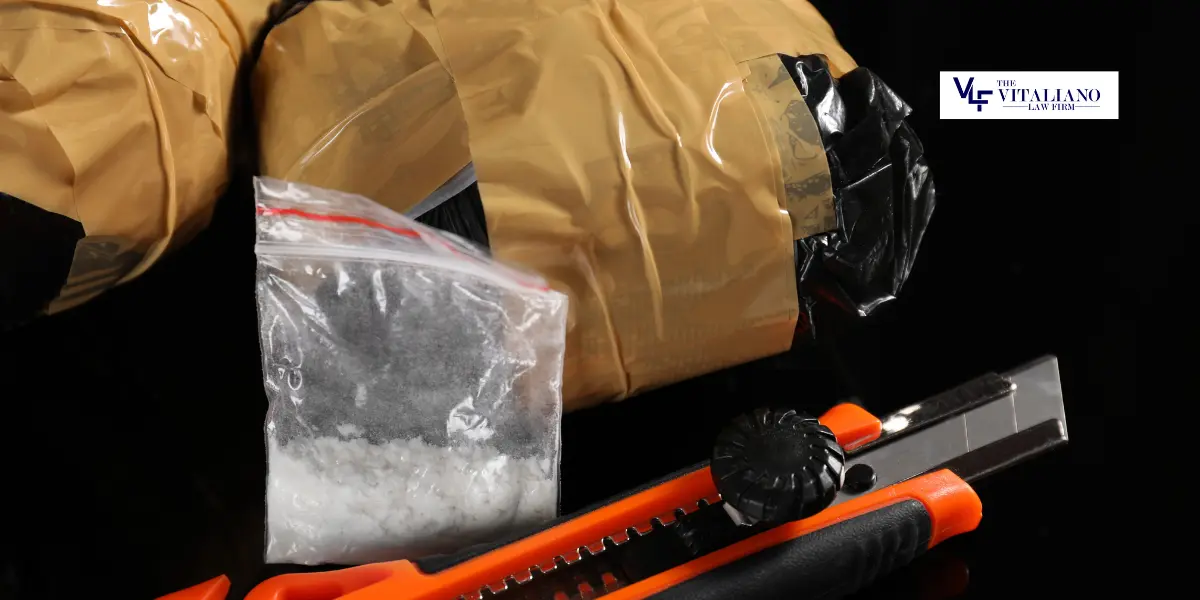
Manhattan Drug Trafficking Attorney
Facing a drug trafficking accusation in Manhattan can place your freedom, finances, and future at risk. New York treats drug trafficking as a serious offense, often involving allegations of distribution, possession with intent, or large-scale movement of controlled substances. A Manhattan drug trafficking lawyer helps individuals understand how these charges are built and how the legal process unfolds in New York courts.
Drug trafficking cases often move quickly and rely on complex evidence. Arrests may follow long investigations involving surveillance, digital records, and confidential sources. Early legal guidance can help you make informed decisions while protecting your rights at every stage of a drug trafficking case.
Understanding Drug Trafficking Laws in New York
New York drug trafficking laws are primarily defined under Article 220 of the New York Penal Law. These statutes distinguish between simple possession and conduct involving intent to sell, distribute, or transport controlled substances. The severity of a charge often depends on the type of substance, the alleged quantity, and the surrounding circumstances. Certain offenses involve mandatory minimums or enhanced penalties.
How Drug Trafficking Cases Begin in Manhattan
Drug trafficking investigations in Manhattan often begin long before an arrest. Law enforcement agencies may rely on surveillance, wiretaps, undercover operations, or data collected from electronic devices. These investigations can span weeks or months. Nationwide, drug trafficking offenses account for tens of thousands of criminal cases each year, with 18,029 federal cases involving trafficking in fiscal year 2024 alone, illustrating how common and complex these investigations can be.
What Prosecutors Must Prove in a Drug Trafficking Case
To secure a conviction, prosecutors must prove more than possession alone. They must show intent ot sell, transport, or distribute a controlled substance, along with knowledge and control over the alleged drugs. Evidence commonly used includes:
- Quantity and packaging of the substance
- Statements or recorded communications
- Surveillance or undercover observations
- Financial records or cash seizures
- Digital data from phones or computers
Each element must meet strict legal standards before it can be relied on in court. Evidence must be lawfully obtained, properly documented, and clearly connected to the alleged conduct. Gaps in surveillance, unclear property ownership, or errors in search procedures can raise serious questions about reliability. When evidence is incomplete or open to multiple interpretations, it can meaningfully affect how a drug trafficking case is evaluated and challenged.
When to Hire a Manhattan Drug Trafficking Lawyer
Choosing to hire a drug trafficking lawyer early allows you to respond strategically rather than react under pressure. Early representation helps protect against self-incrimination and prompt examination of any search-and-seizure issues.
According to the U.S. Department of Justice, the Drug Enforcement Administration reported 25,110 drug arrests in fiscal year 2023, including trafficking-related arrests that span opioids, methamphetamine, and other controlled substances nationwide. This highlights how often serious drug offenses are pursued across jurisdictions and why early legal guidance is important in complex cases.
Evidence Issues Unique to Drug Trafficking Cases
Drug trafficking cases frequently involve technical evidence that requires careful review. Digital communications, financial data, and surveillance footage are often central to the prosecution’s theory.
Chain of custody, search warrant validity, and data authenticity are common points of dispute. Screenshots, recorded calls, or location data may be challenged based on how they were obtained and whether proper legal procedures were followed.
Why Local Manhattan Experience Matters
Drug trafficking cases in Manhattan are shaped by local court practices and prosecutorial priorities. Most charges are initially heard in New York State Supreme Court, with felony matters advancing to the U.S. District Court for the Southern District of New York when indictments are issued. Understanding how Manhattan prosecutors charge drug trafficking cases and how judges evaluate evidence can inform case strategy.
How The Vitaliano Law Firm Supports Clients in Drug Trafficking Cases
The Vitaliano Law Firm represents individuals accused of drug trafficking with a focus on careful analysis and clear communication. Each case is reviewed for evidentiary issues, procedural compliance, and factual inconsistencies.
The firm works closely with clients to explain the charges, court process, and potential legal pathways. This includes reviewing how evidence was obtained, identifying constitutional concerns, and preparing clients for court appearances. By tailoring strategy to the facts of each drug trafficking case, the firm helps clients make informed decisions at every stage.
FAQs
What Evidence Is Needed for Drug Trafficking?
Prosecutors often rely on a combination of physical evidence and circumstantial proof. This may include the quantity of drugs, packaging materials, communications suggesting distribution, and financial records. Possession alone is usually not enough. The prosecution must show intent to sell or transport under New York drug trafficking laws. Your attorney can walk you through this process.
How Is Drug Trafficking Proven?
Drug trafficking is typically proven by linking a person to both the substance and conduct indicating distribution. This can involve surveillance, undercover buys, or digital communications. Courts examine whether the evidence shows knowledge, control, and intent beyond a reasonable doubt. Hiring a skilled drug trafficking lawyer can help you develop a strong defense.
Can Screenshots of Messages Be Used as Evidence?
Yes, screenshots of text messages or social media conversations may be used as evidence. Their admissibility depends on authenticity, context, and how they were obtained. Defense challenges may focus on whether messages were altered, incomplete, or collected without proper authorization. Bring any evidence you have to your initial consultation with your lawyer.
How to Get Out of a Drug Trafficking Charge?
When you are charged with drug trafficking, your first thought may be, “How can I get out of a drug trafficking charge?” There is no single outcome for every drug trafficking case. Results depend on the quality of evidence, constitutional issues, and case-specific facts. Legal strategies may involve challenging searches, questioning intent, or disputing ownership or control of the alleged substances.
Does Drug Quantity Always Determine the Charge?
Drug quantity does not always determine the charge. While quantity plays a major role, prosecutors also consider packaging, communications, and other surrounding circumstances. Smaller amounts may still lead to trafficking charges if there is evidence suggesting intent to sell or distribute. An experienced drug trafficking lawyer can review your case and contest the charges if warranted.
Speak With a Manhattan Drug Trafficking Attorney
A drug trafficking accusation can carry serious legal and personal consequences, particularly in Manhattan’s court system. Understanding your rights and options is an important first step. To learn more about how The Vitaliano Law Firm approaches drug trafficking cases, contact us today.
Testimonials





About us
An accomplished legal advocate, Michael E. Vitaliano is the founder and principal of The Vitaliano Law Firm, based in New York City. Mr. Vitaliano is a leading criminal defense lawyer and experienced advocate in handling all criminal matters in state and federal court.
Copyright © 2026 The Vitaliano Law Firm. All rights reserved.
*Images are obtained under license from Canva and other third-party stock image providers, with attribution included where required.
Site Map | Privacy Policy | Digital Marketing By 